
High-Strength Textured HDPE Geomembrane with Superior Friction Properties
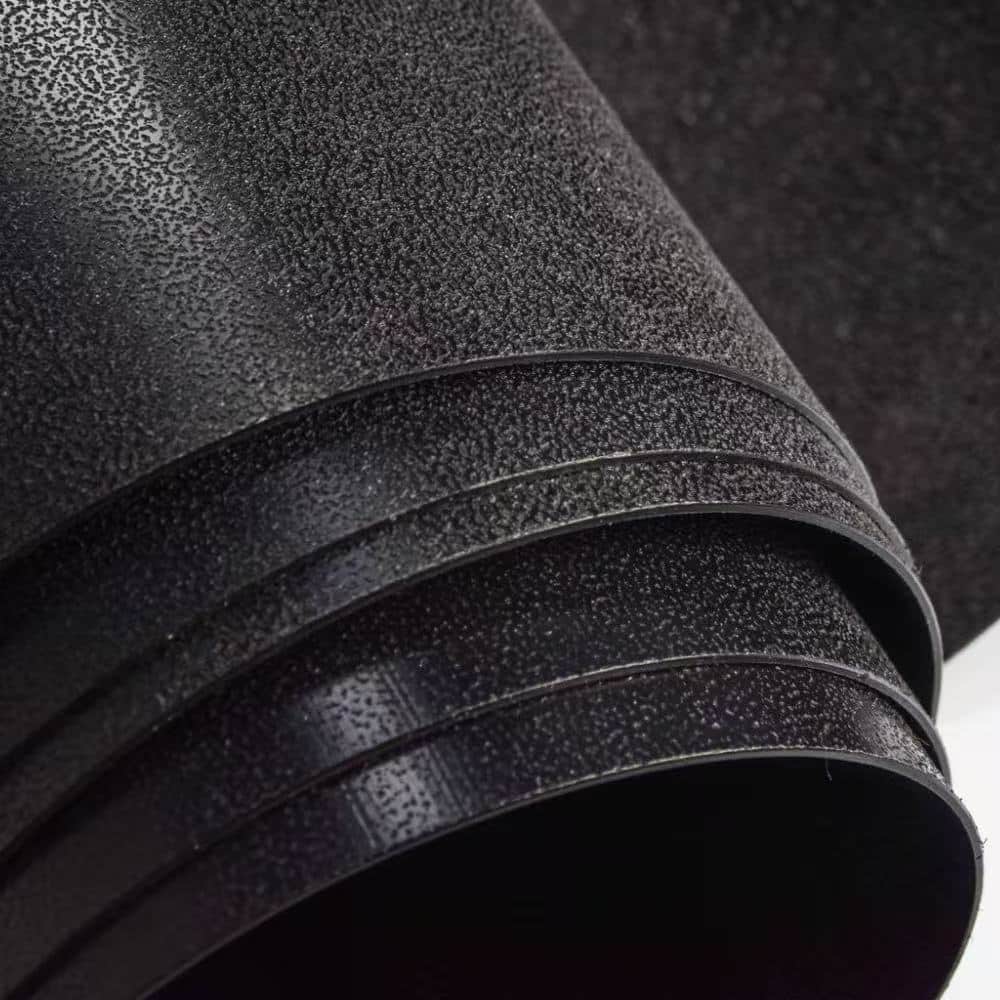
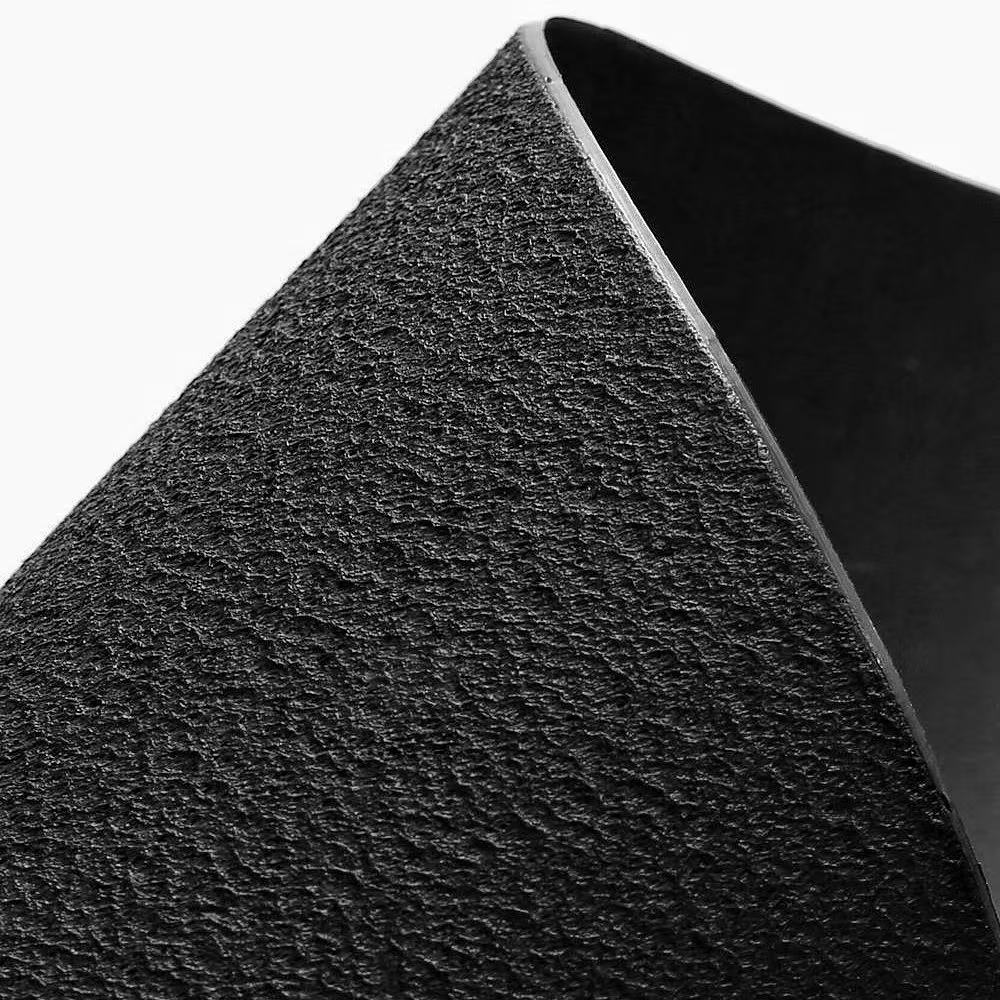
This double-textured HDPE geomembrane delivers maximum friction and slope stability. It provides secure containment for the most challenging environmental projects.
Compartilhe:
Descrição
I. Visão geral do produto
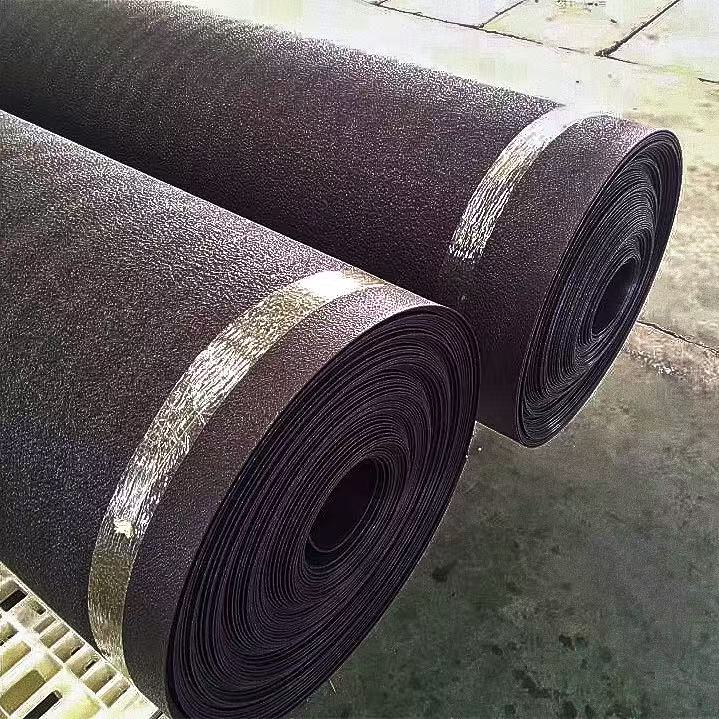
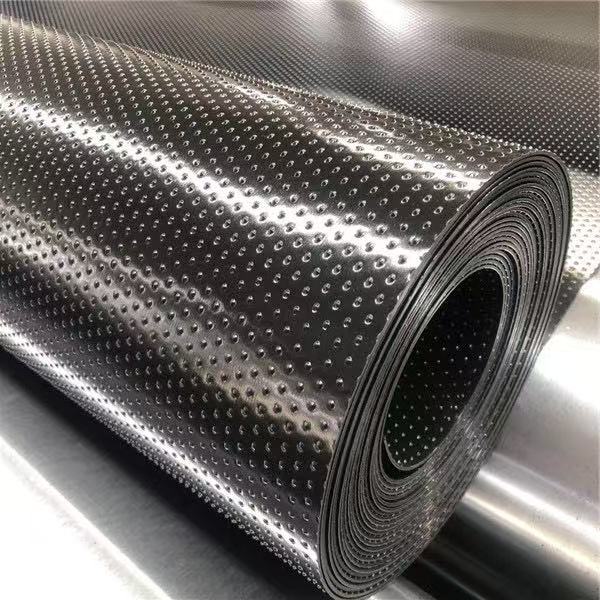
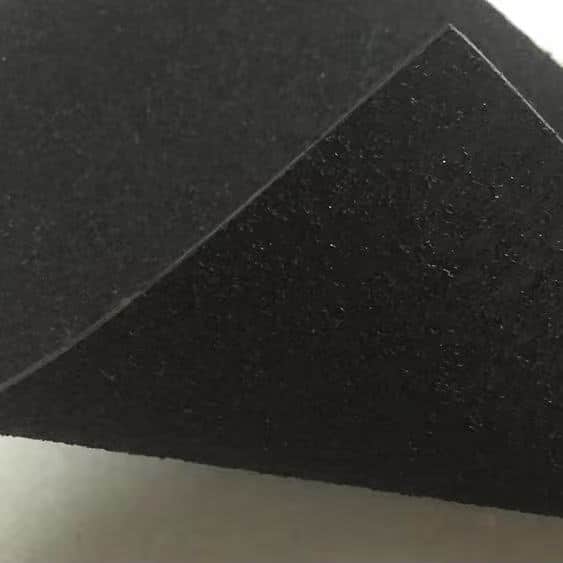
The high – strength textured HDPE geomembrane, also known as rough geomembrane, is a top – notch anti – seepage material. We manufacture it using high – quality virgin high – density polyethylene (HDPE) resin through an advanced co – extrusion blow – molding process.
This process, combined with a patented texturing technology, endows its surface with uniformly stable rough textures. While keeping the excellent anti – seepage performance typical of HDPE materials, it significantly enhances the interfacial friction coefficient. The friction angle ranges from 30° to 35°, making it especially suitable for steep – slope anti – seepage projects. Also, the carbon black content in the raw material lies between 2.0% and 3.0%, ensuring outstanding resistance to ultraviolet aging.
II. Principais vantagens
Anti – Slip Performance: The special textured surface treatment of the textured HDPE geomembrane boosts the interfacial friction coefficient by over 50%. It effectively prevents the sliding of slope lining systems, ensuring stability and safety. For example, in landfill slope projects, this anti – slip feature is crucial for maintaining the integrity of the anti – seepage system.
Mechanical Strength: With a tensile yield strength of ≥22 N/mm and a tear resistance of ≥190 N, this rough geomembrane meets stringent engineering requirements. It can withstand heavy loads or external forces without damage, providing reliable protection.
Flexibility: The elongation at break of this geomembrane is ≥700%. This high flexibility allows it to adapt to foundation deformation without cracking. In areas where the ground may shift or settle, it can stretch and conform to the changes, maintaining its anti – seepage function.
III. Technical Specifications
| Item | Valor | ||||||
|---|---|---|---|---|---|---|---|
| Espessura mm | 0.75 | 1.00 | 1.25 | 1.50 | 2.00 | 2.50 | 3.00 |
| Densidade g/cm^3 | ≥0.940 | ≥0.940 | ≥0.940 | ≥0.940 | ≥0.940 | ≥0.940 | ≥0.940 |
| Altura de desbaste mm | ≥0.25 | ≥0.25 | ≥0.25 | ≥0.25 | ≥0.25 | ≥0.25 | ≥0.25 |
| Resistência à tração (MD e CD) N/mm | ≥11 | ≥15 | ≥18 | ≥22 | ≥29 | ≥37 | ≥44 |
| Resistência à ruptura por tração (MD e CD) N/mm | ≥8 | ≥10 | ≥13 | ≥16 | ≥21 | ≥26 | ≥32 |
| Alongamento no rendimento (MD e CD) N/mm | ≥12 | ≥12 | ≥12 | ≥12 | ≥12 | ≥12 | ≥12 |
| Alongamento na ruptura (MD e CD) % | ≥100 | ≥100 | ≥100 | ≥100 | ≥100 | ≥100 | ≥100 |
| Resistência ao rasgo (MD e CD) % | ≥93 | ≥125 | ≥160 | ≥190 | ≥250 | ≥315 | ≥375 |
| Resistência à perfuração N | ≥200 | ≥270 | ≥335 | ≥400 | ≥535 | ≥670 | ≥800 |
| Trincas por tensão de tração (alongamento por carga constante de incisão) h | - | ≥300 | ≥300 | ≥300 | ≥300 | ≥300 | ≥300 |
| Conteúdo do bloco de carbono % | 2.0~3.0 | 2.0~3.0 | 2.0~3.0 | 2.0~3.0 | 2.0~3.0 | 2.0~3.0 | 2.0~3.0 |
| Dispersão de negro de fumo | Não há mais do que l nos dados l0, nem 4 ou 5. | Não há mais do que l nos dados l0, nem 4 ou 5. | Não há mais do que l nos dados l0, nem 4 ou 5. | Não há mais do que l nos dados l0, nem 4 ou 5. | Não há mais do que l nos dados l0, nem 4 ou 5. | Não há mais do que l nos dados l0, nem 4 ou 5. | Não há mais do que l nos dados l0, nem 4 ou 5. |
| Tempo de indução de oxidação (OIT) min | Tempo de indução de oxidação de pressão normal ≥100 | Tempo de indução de oxidação de pressão normal ≥100 | Tempo de indução de oxidação de pressão normal ≥100 | Tempo de indução de oxidação de pressão normal ≥100 | Tempo de indução de oxidação de pressão normal ≥100 | Tempo de indução de oxidação de pressão normal ≥100 | Tempo de indução de oxidação de pressão normal ≥100 |
| Tempo de indução de oxidação de alta pressão ≥400 | Tempo de indução de oxidação de alta pressão ≥400 | Tempo de indução de oxidação de alta pressão ≥400 | Tempo de indução de oxidação de alta pressão ≥400 | Tempo de indução de oxidação de alta pressão ≥400 | Tempo de indução de oxidação de alta pressão ≥400 | Tempo de indução de oxidação de alta pressão ≥400 | |
| Envelhecimento em estufa a 85ºC (Standare OlT(min.ave.)-%retido após 90 dias) % | ≥55 | ≥55 | ≥55 | ≥55 | ≥55 | ≥55 | ≥55 |
| Resistência a UV (OIT de alta pressão (min.ave)-% mantida após 1600 horas) % | ≥50 | ≥50 | ≥50 | ≥50 | ≥50 | ≥50 | ≥50 |
IV. Aplicativos típicos
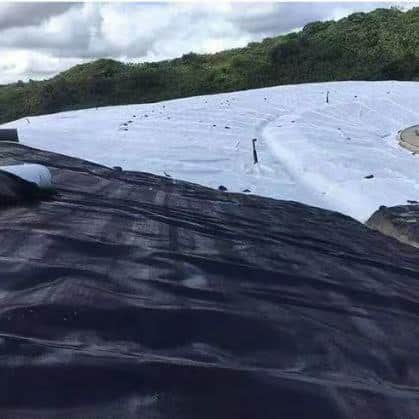
Environmental Geotechnical Engineering: We widely use the textured HDPE geomembrane for anti – seepage in slopes and bases of landfills. It also serves as lining systems for hazardous waste disposal sites. Its excellent anti – seepage and anti – slip properties ensure the safe containment of waste materials, preventing environmental pollution.
Mining Engineering: In mining projects, we use this rough geomembrane as anti – seepage linings for tailings ponds, heap leaching pads, and solution ponds. It helps prevent the leakage of mining solutions and tailings, protecting the surrounding water sources and soil from contamination.
Water Conservancy Engineering: For water conservancy projects such as reservoirs, channels, and dams, the textured HDPE geomembrane provides reliable anti – seepage protection. It helps maintain the water storage capacity of these facilities and prevents water loss due to seepage.
Produtos relacionados
-
Série Geomembrana
Geomembrana HDPE de 1,0 mm para revestimentos de lagoas
-
Série Geomembrana
Geomembrana de superfície áspera


 English
  Español de México
  Português do Brasil
  Русский
  Türkçe
  Bahasa Indonesia