Product Features
1. Strong Anti – clogging Performance
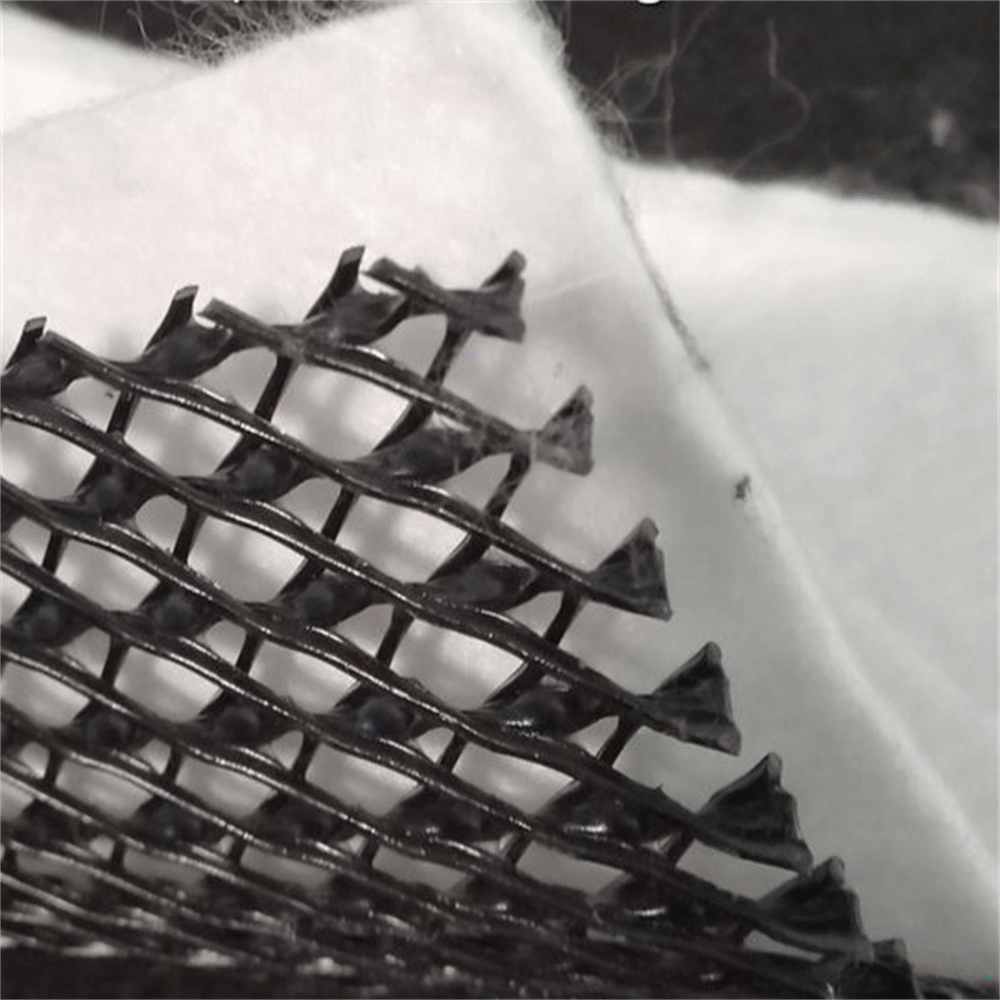
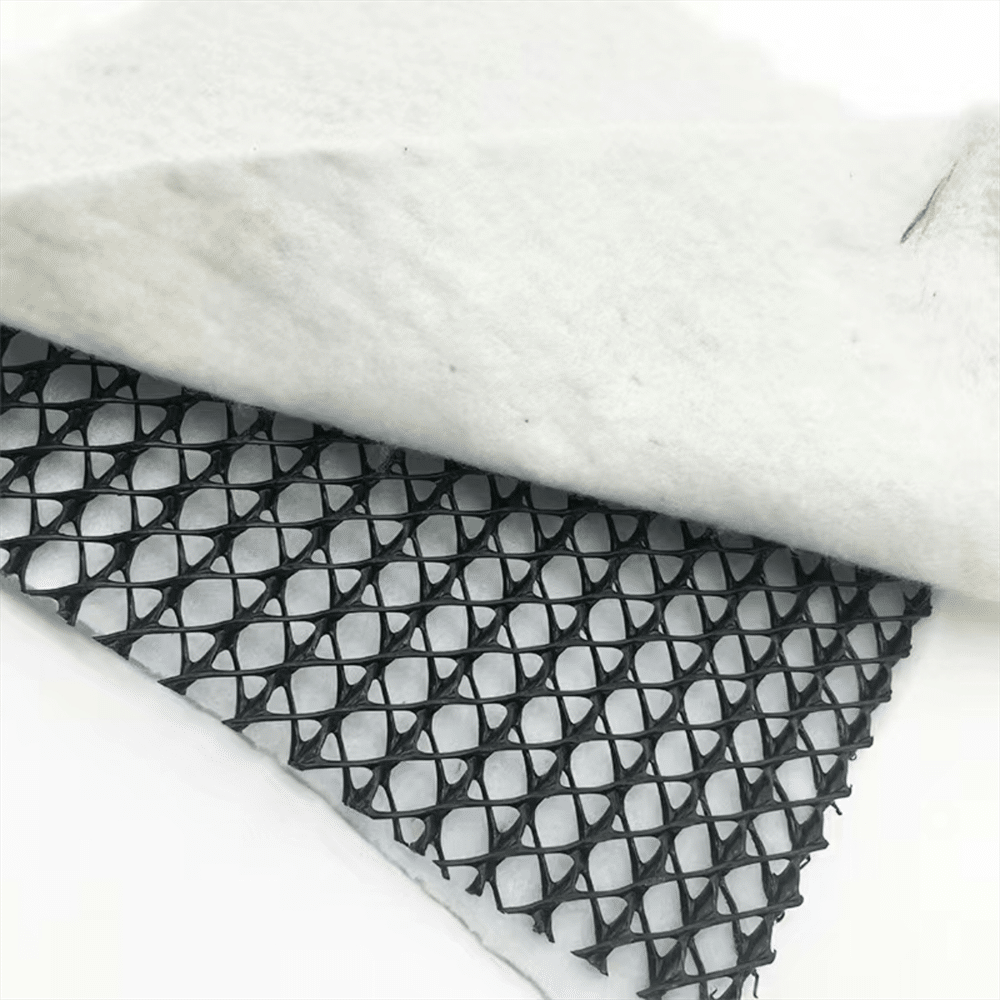
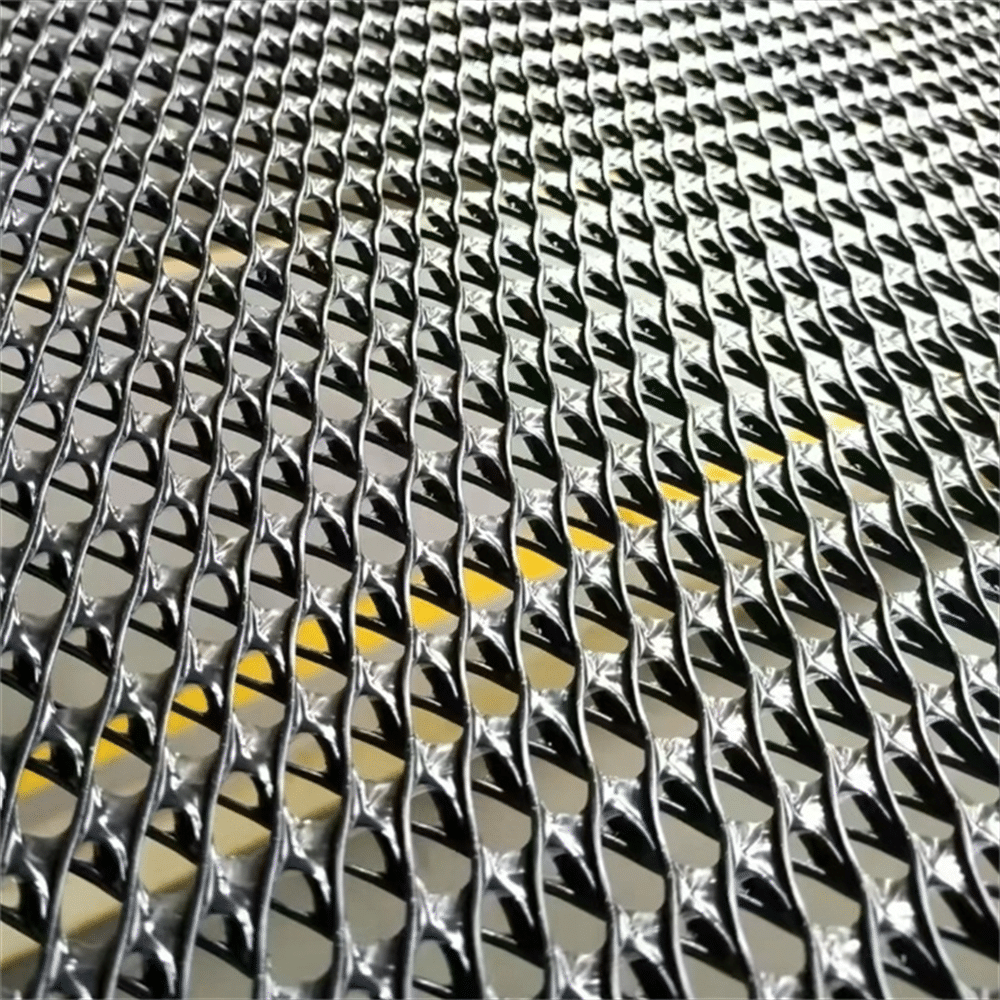
Through reasonable structural design and material selection, the anti – clogging drainage net can effectively reduce the occurrence of mesh clogging by impurities, ensuring the long – term stable operation of the drainage system.
2. High Drainage Efficiency
It has a large water – passing cross – section and good water permeability, capable of quickly draining a large amount of water. It can replace traditional sand and gravel layers, greatly improving the drainage efficiency.
3. High Compressive Strength
4. Corrosion – resistant and Aging – resistant
5. Convenient Construction
It is used for the bottom and slope drainage of landfills. It can quickly drain landfill leachate, preventing the accumulation of leachate from harming the landfill structure and the surrounding environment, and avoiding the clogging of the drainage system caused by excessive impurities.
Applied in the subgrade and pavement drainage of highways and railways, it can drain the accumulated water in the subgrade, lower the groundwater level, improve the stability of the subgrade, reduce the damage of water to the road structure, and extend the service life of the road.
It can be used for the drainage of the inner wall of tunnels. It can quickly drain the seepage water in the tunnel, keep the tunnel dry, prevent the seepage water from damaging the tunnel lining and internal facilities, and improve the safety and durability of the tunnel.
In water conservancy facilities such as reservoirs, dams, and channels, it is used to drain seepage water and excess water, enhancing the stability of water conservancy projects and preventing problems such as leakage and piping caused by water accumulation.
Used in the drainage of building underground structures such as basements and parking lots, it can effectively drain groundwater and surface water, preventing water accumulation from eroding and damaging the building structure, and ensuring the functionality and safety of the building.




 English
  Español de México
  Português do Brasil
  Русский
  Türkçe
  Bahasa Indonesia