Características del producto
1. Strong Anti – clogging Performance
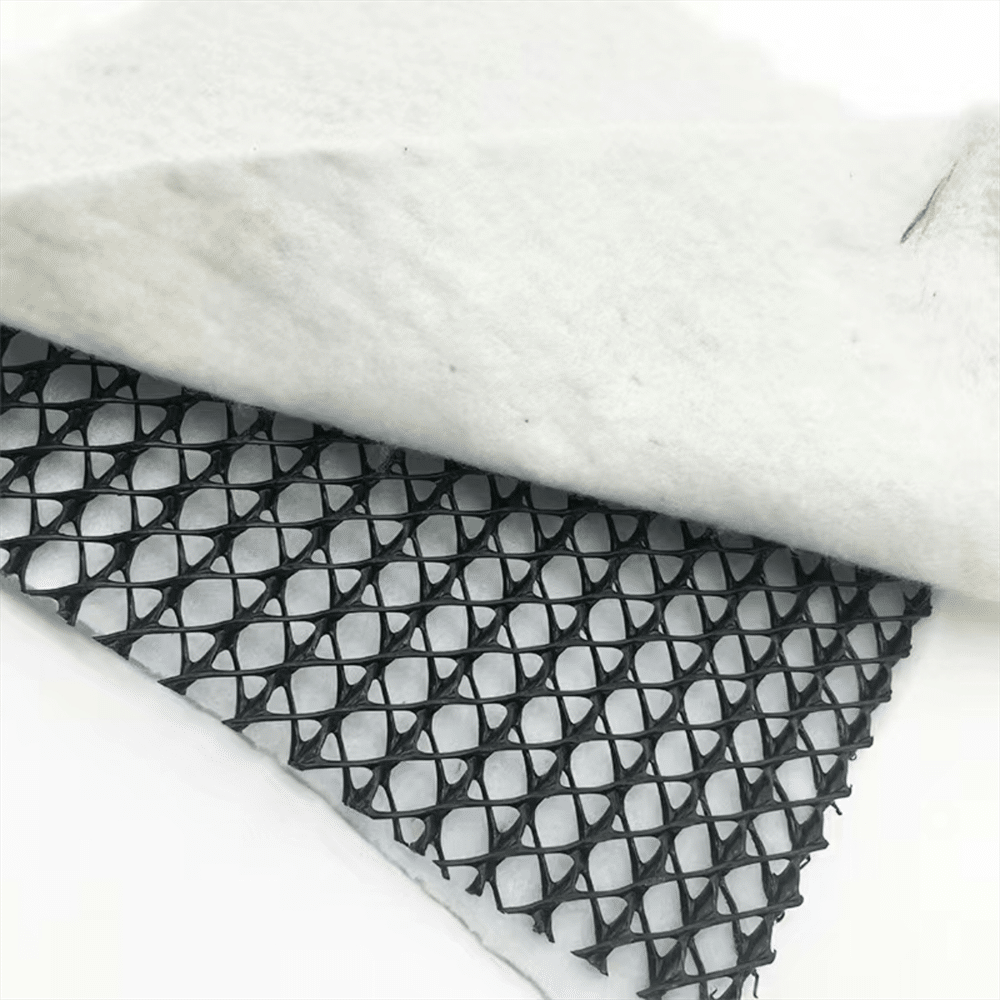
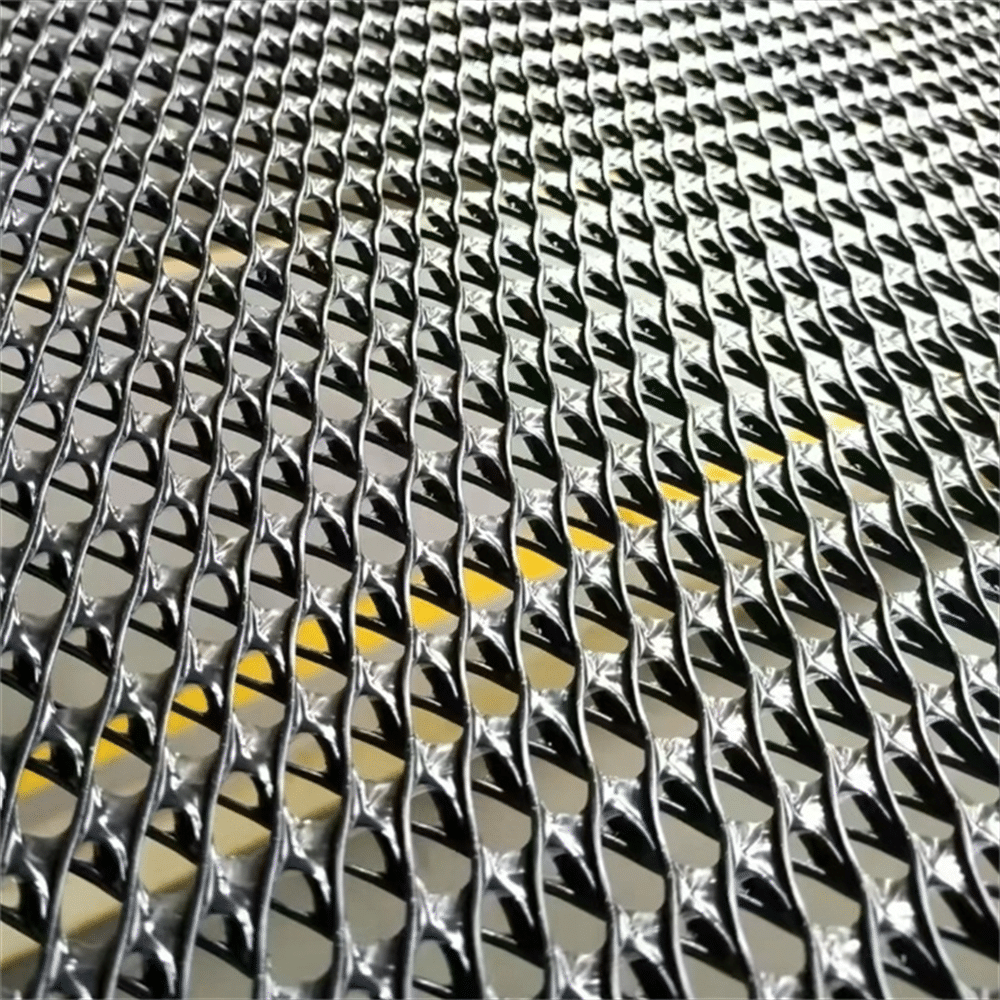
Through reasonable structural design and material selection, the anti – clogging drainage net can effectively reduce the occurrence of mesh clogging by impurities, ensuring the long – term stable operation of the drainage system.
2. Alta eficacia de drenaje
It has a large water – passing cross – section and good water permeability, capable of quickly draining a large amount of water. It can replace traditional sand and gravel layers, greatly improving the drainage efficiency.
3. Alta resistencia a la compresión
4. Corrosion – resistant and Aging – resistant
5. Construcción cómoda
Se utiliza para el drenaje del fondo y el talud de los vertederos. Puede drenar rápidamente el lixiviado del vertedero, impidiendo que la acumulación de lixiviado dañe la estructura del vertedero y el entorno circundante, y evitando la obstrucción del sistema de drenaje causada por un exceso de impurezas.
Aplicado en el drenaje del subsuelo y el pavimento de carreteras y ferrocarriles, puede drenar el agua acumulada en el subsuelo, reducir el nivel de las aguas subterráneas, mejorar la estabilidad del subsuelo, reducir los daños del agua en la estructura de la carretera y prolongar la vida útil de la carretera.
Puede utilizarse para el drenaje de la pared interior de los túneles. Puede drenar rápidamente el agua de infiltración en el túnel, mantener el túnel seco, evitar que el agua de infiltración dañe el revestimiento del túnel y las instalaciones internas, y mejorar la seguridad y la durabilidad del túnel.
In water conservancy facilities such as reservoirs, dams, and channels, it is used to drain seepage water and excess water, enhancing the stability of water conservancy projects and preventing problems such as leakage and piping caused by water accumulation.
Utilizado en el drenaje de estructuras subterráneas de edificios, como sótanos y aparcamientos, puede drenar eficazmente las aguas subterráneas y superficiales, evitando que la acumulación de agua erosione y dañe la estructura del edificio, y garantizando la funcionalidad y seguridad del mismo.





 English
  Español de México
  Português do Brasil
  Русский
  Türkçe
  Bahasa Indonesia