
Any tunnel engineer or construction worker knows the severe risks of water seepage and ponding. These issues actively impede construction, cause lining cracks, accelerate equipment corrosion, and transform modern tunnels into hazardous “water curtained caves.”
So, how do we proactively “usher out” this water? The answer lies in building a smart and reliable drainage system, where the three-dimensional drainage net acts as the vital “invisible artery.”
I. Root Causes of Tunnel Water Accumulation and Limitations of Traditional Solutions
Tunnels cut through underground aquifers during construction. Without a reliable escape path, water pressure builds and forces moisture into the tunnel interior.
Traditional gravel blind drains consume valuable space, complicate construction, and often clog with silt over time. This leads to inefficient drainage and rising long-term maintenance costs.
II. Three-Dimensional Drainage Net: What Does “Three-Dimensional” Mean? Why Is It Efficient?
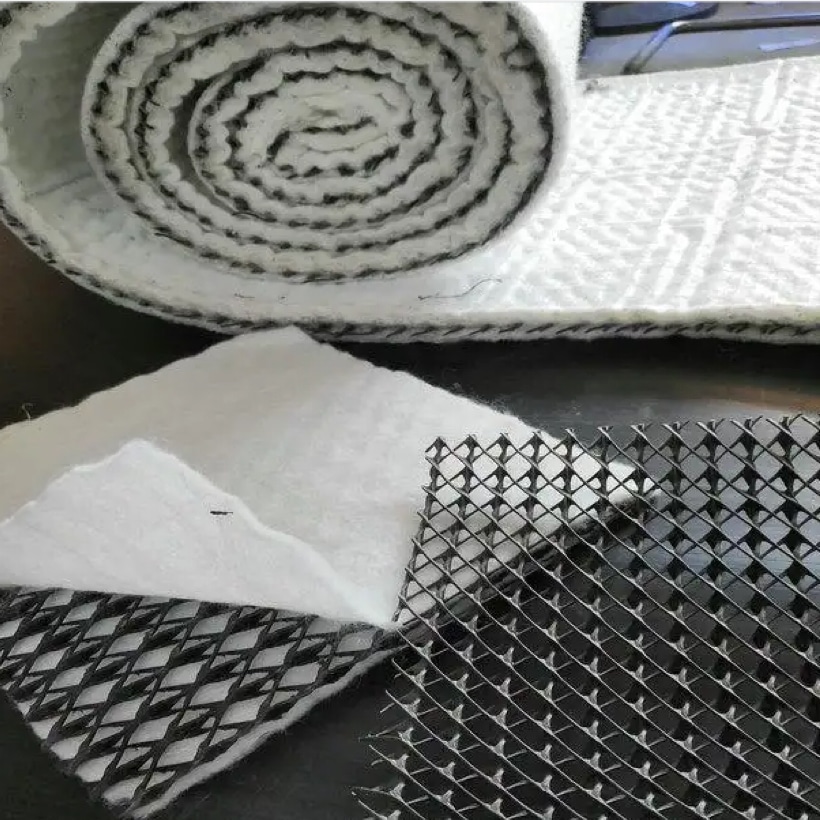
Haoyang Environment’s three-dimensional drainage net is a high-performance geosynthetic material. Its design follows a “one core, two layers of protection” principle:
The 3D Net Core: This central layer forms a rigid, high-strength drainage channel. It maintains excellent water flow capacity even under heavy soil pressure and wet concrete, functioning as the system’s “engine.”
Double-Sided Filter Layers: We thermally bond needle-punched nonwoven geotextiles to both sides of the core. These layers act as intelligent filters—they let water pass freely while blocking fine soil particles, which prevents clogging and ensures long-term performance.
This unique combination delivers high water conductivity, strong compressive resistance, and easy, fast installation.
III. Core Functions of Three-Dimensional Drainage Net in Tunnel Engineering
In tunnel engineering, the primary application is “drainage behind the lining.” Here’s how it works:
- It Actively Drains Water and Relieves Pressure: Installed between the initial support and the secondary lining, the net quickly collects seepage water and channels it into the main drainage pipes. This actively reduces hydrostatic pressure on the lining structure, preventing cracks and enhancing durability.
- It Protects the Waterproofing Layer: By removing water buildup behind waterproof membranes, the net eliminates blister formation and stress points. This protection significantly extends the service life of the entire waterproofing system.
- Ensuring Operational Safety, Reducing Maintenance Costs: A dry tunnel environment significantly minimizes safety hazards such as internal icing, slippery road surfaces, and electrical short circuits, while avoiding long-term water damage to concrete structures, substantially lowering maintenance costs throughout the tunnel’s lifecycle.
IV. Haoyang Environment’s Solution: From Product to System
Choosing Haoyang Environment’s three-dimensional drainage net offers you more than just a roll of material:
- Superior Product Performance: Our three-dimensional drainage net undergoes rigorous laboratory testing (refer to the “Product Testing” page in the brochure) to ensure that key indicators such as water conductivity and compressive strength meet long-term heavy-load requirements.
- Professional System Support: We can provide a complete drainage system design for your tunnel project, including selection of the drainage net, laying scheme, and guidance on coordination with materials such as waterproof boards and geotextiles.
- Proven Success in Projects: Haoyang Environment’s products have been widely applied in various underground engineering and transportation infrastructure projects (refer to the “Transportation Engineering Projects” section in the brochure), with their reliability and effectiveness validated through practical application.
Conclusion
The success of tunnel engineering lies in the details, and the drainage system is a critical component. Abandoning the old approach of passive leakage control and adopting the new technology of active drainage is an inevitable choice for modern tunnel construction.
Haoyang’s three-dimensional drainage net, with its scientific structure and stable performance, is becoming the “invisible artery” that safeguards the dryness and safety of tunnels. Let it construct an invisible yet incredibly robust defense line for your next project.


 English
  Español de México
  Português do Brasil
  Русский
  Türkçe
  Bahasa Indonesia